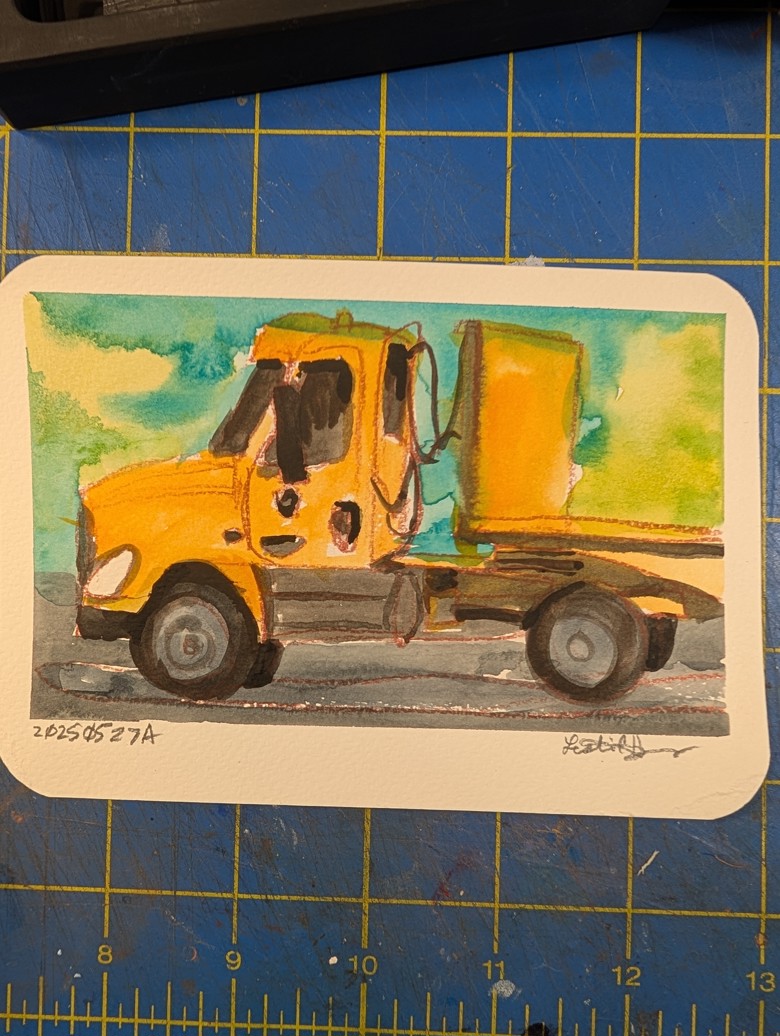
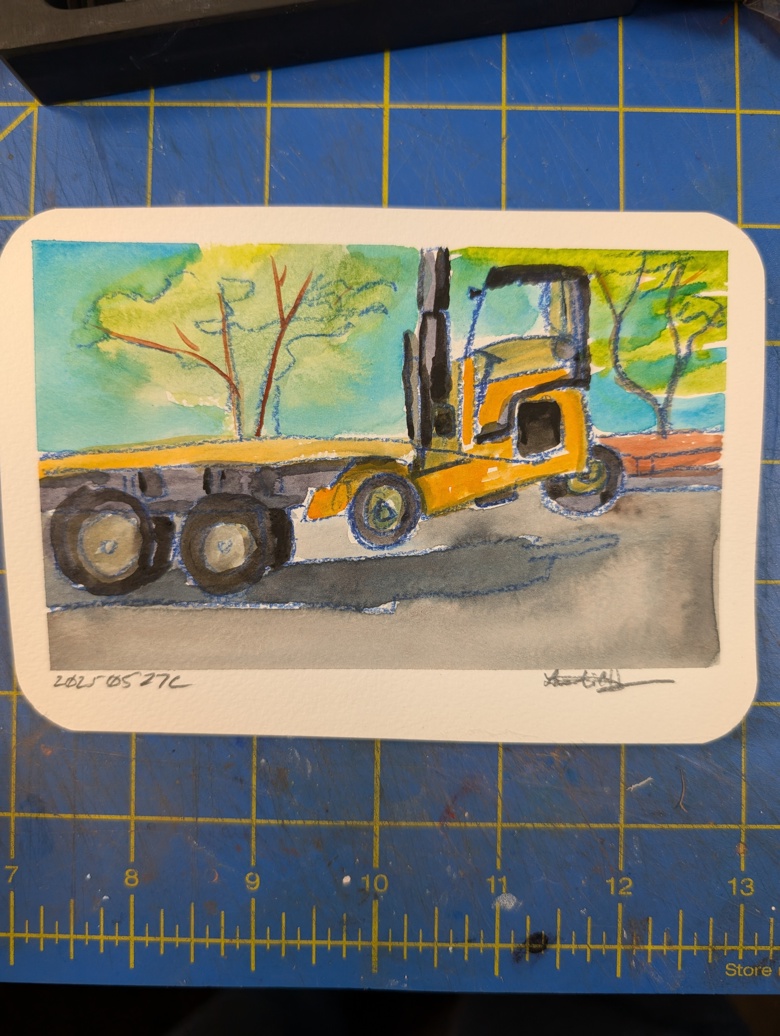
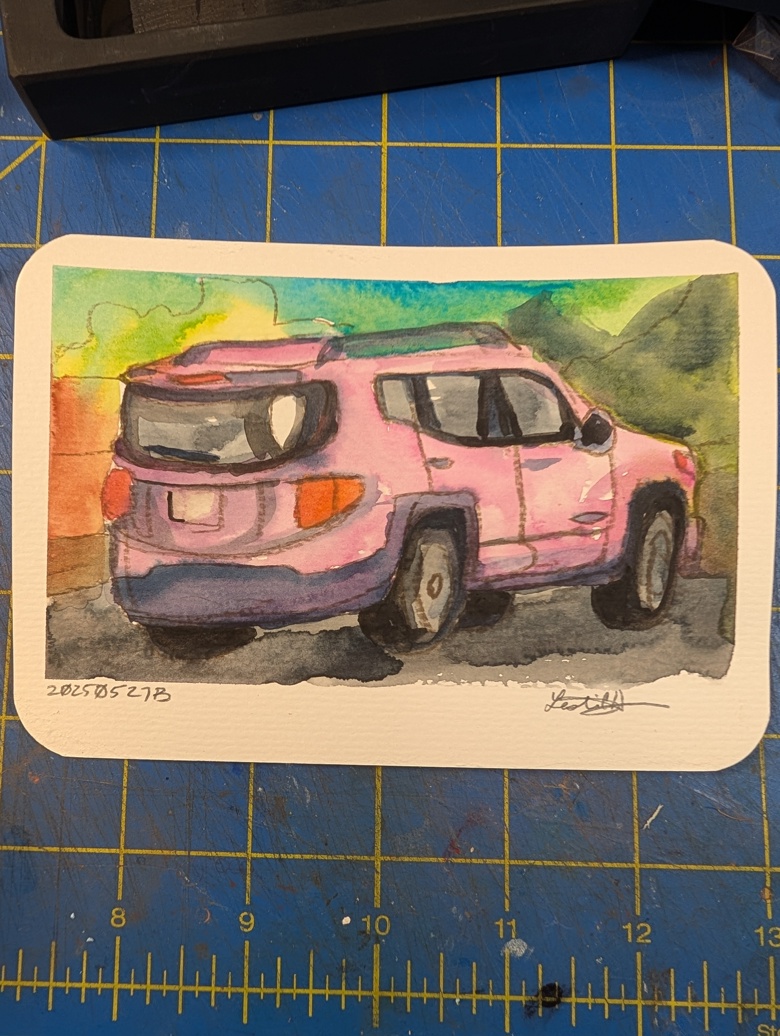
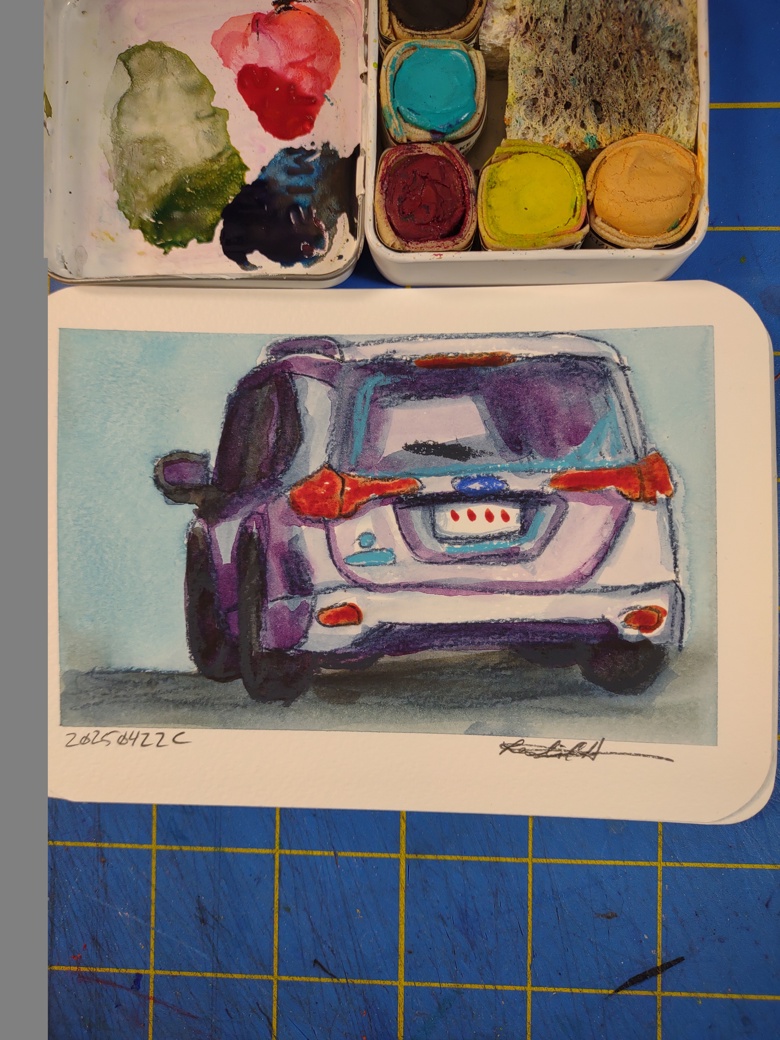
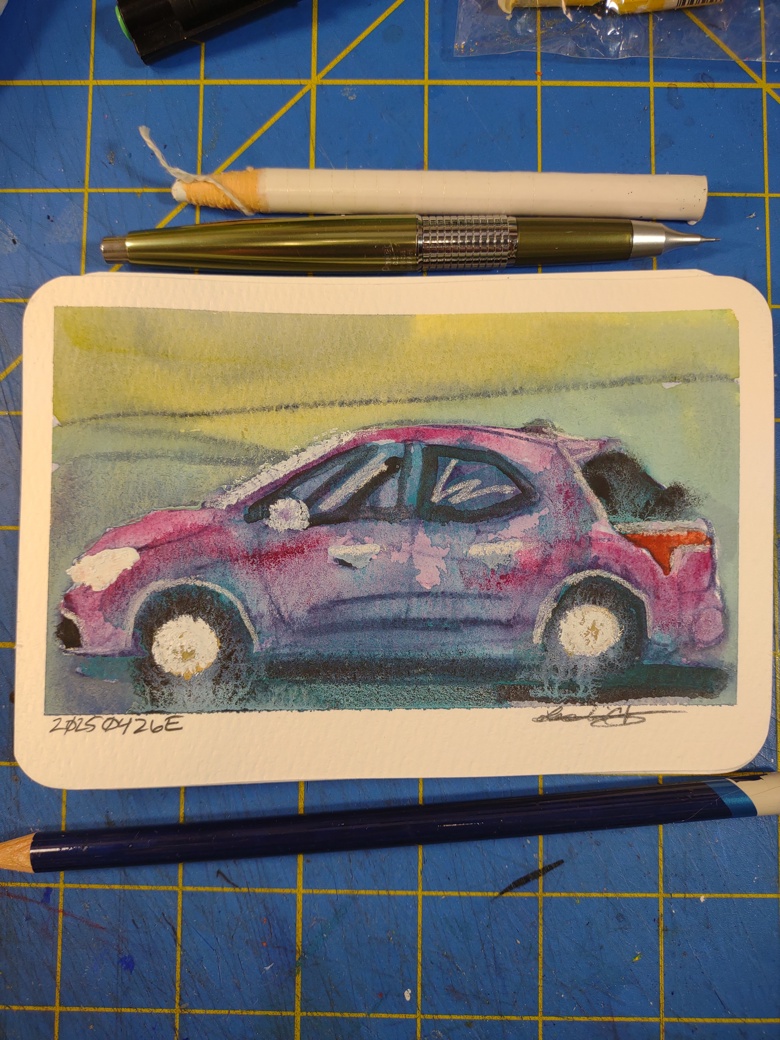
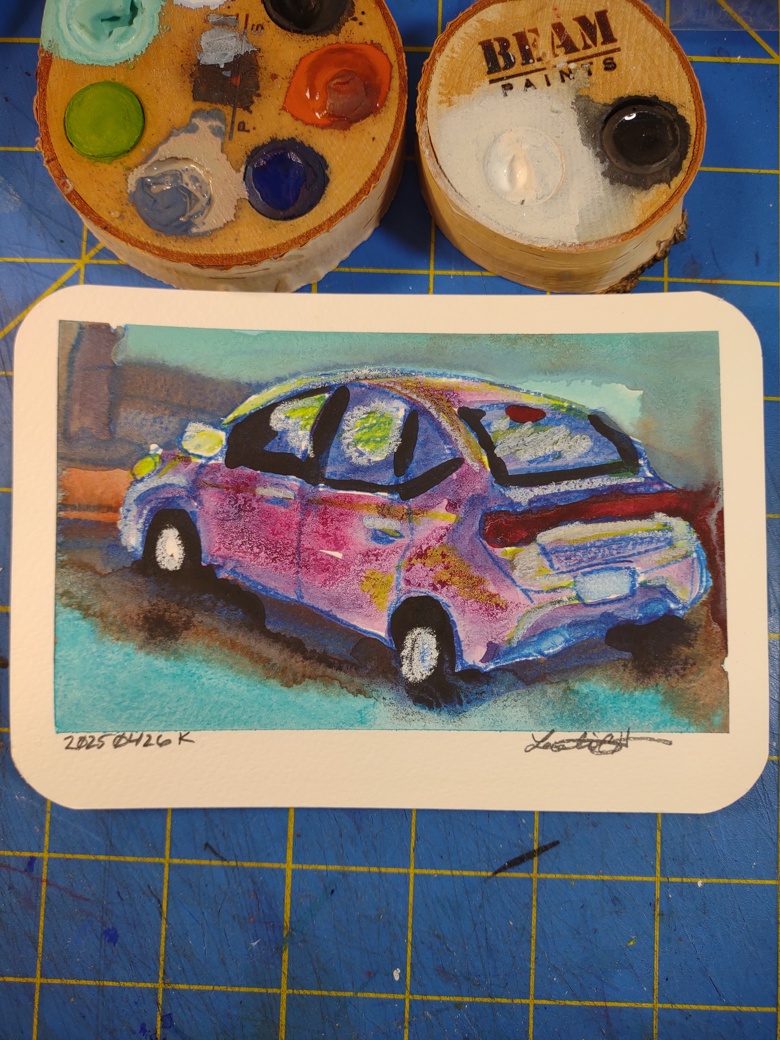
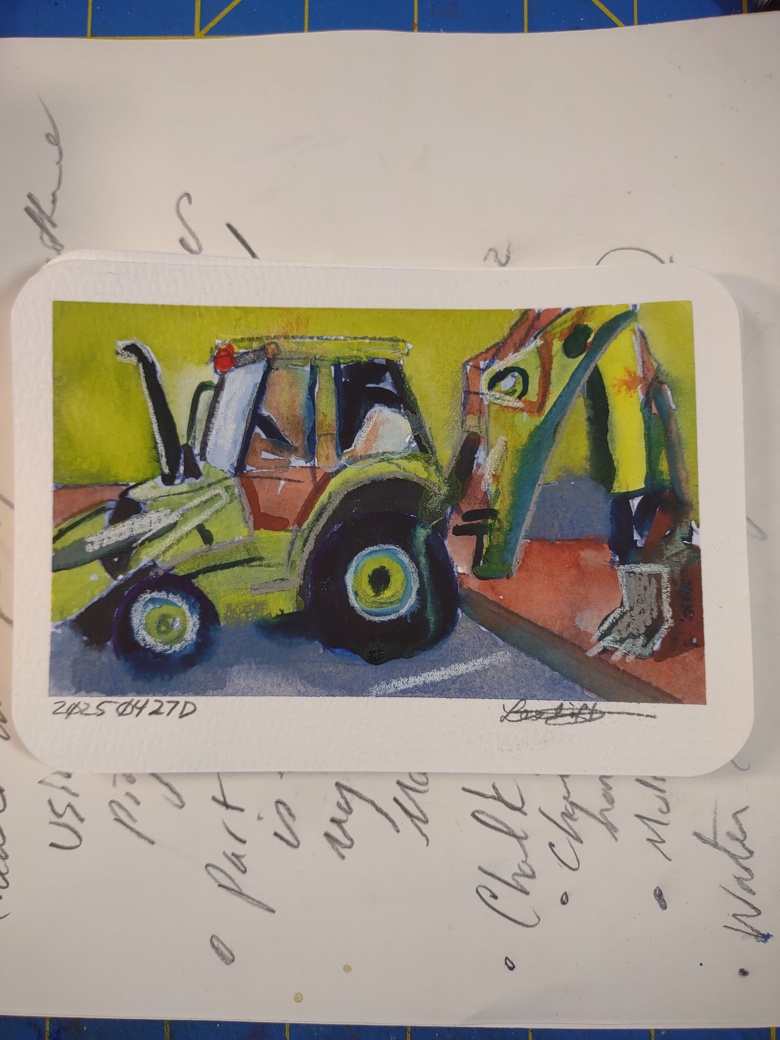
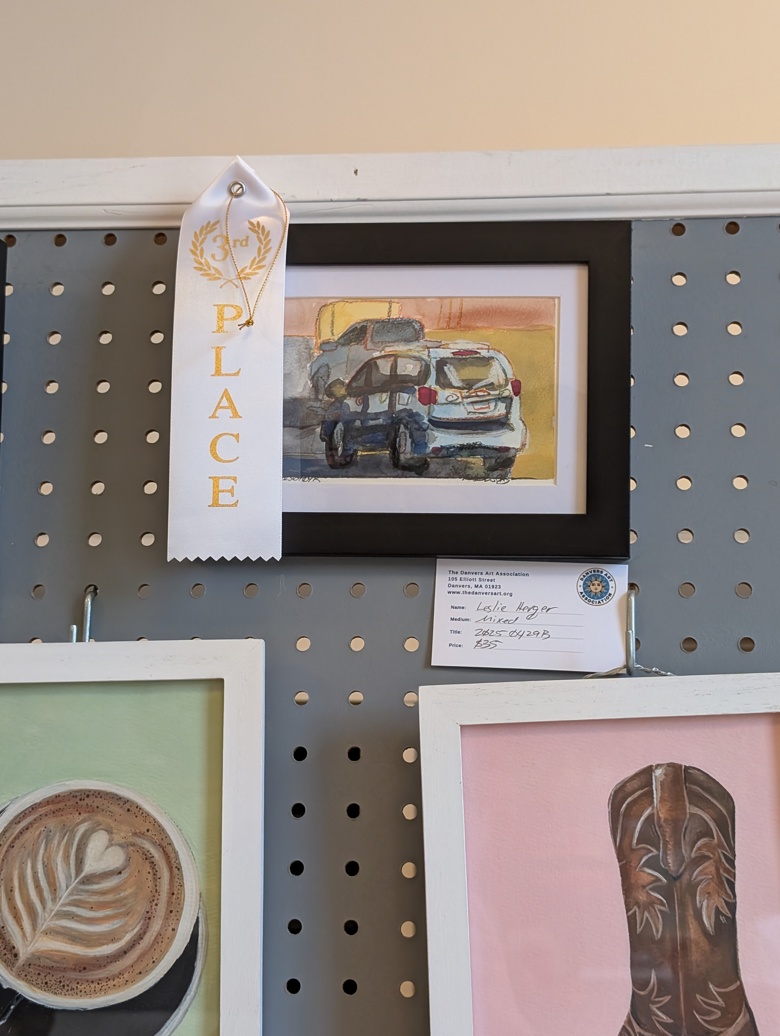
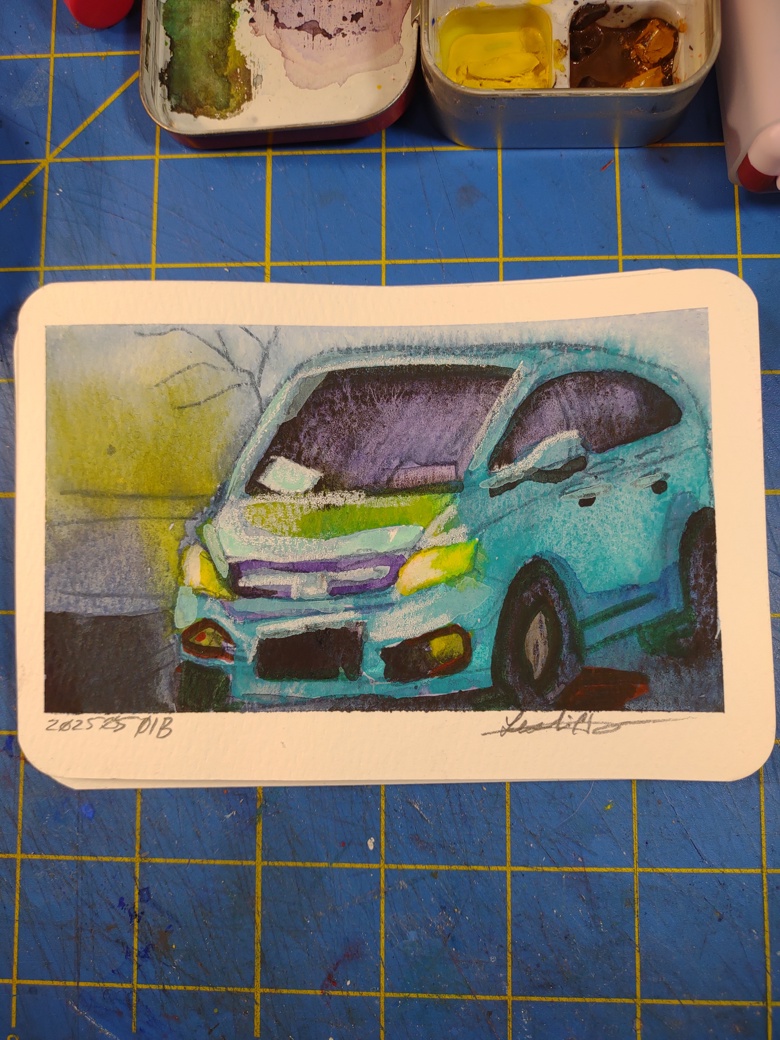
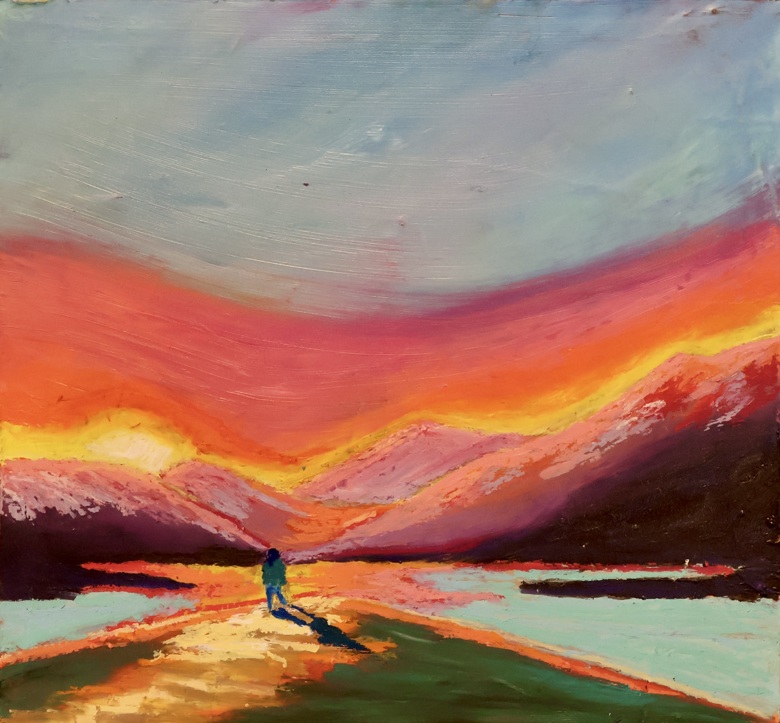
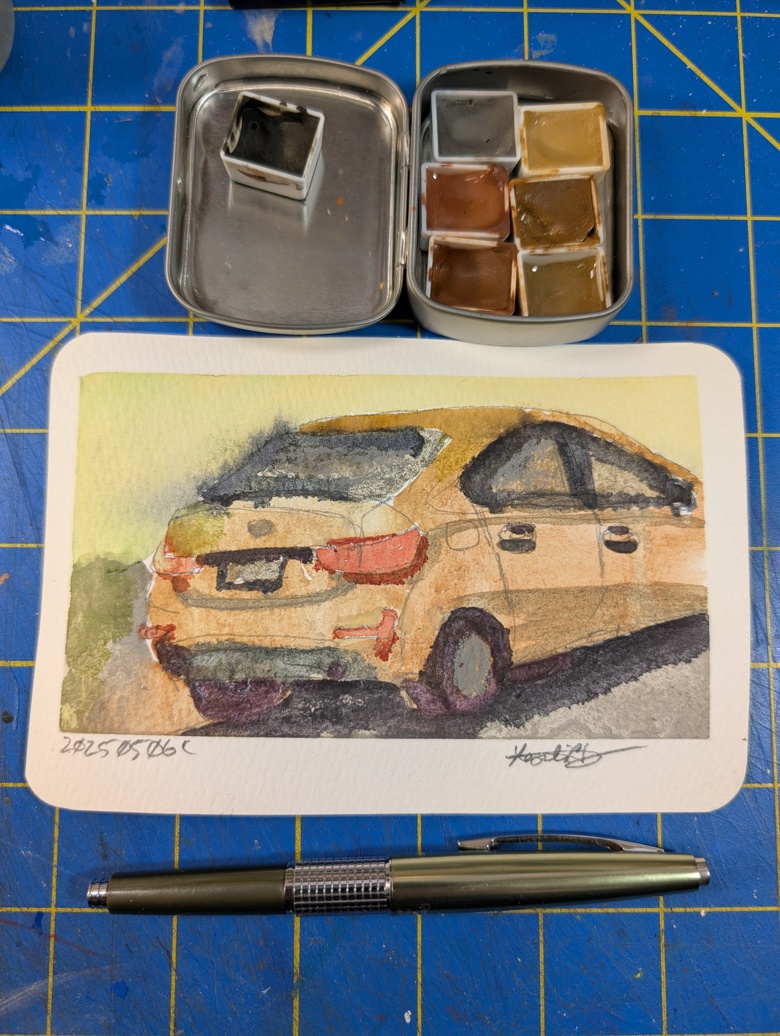
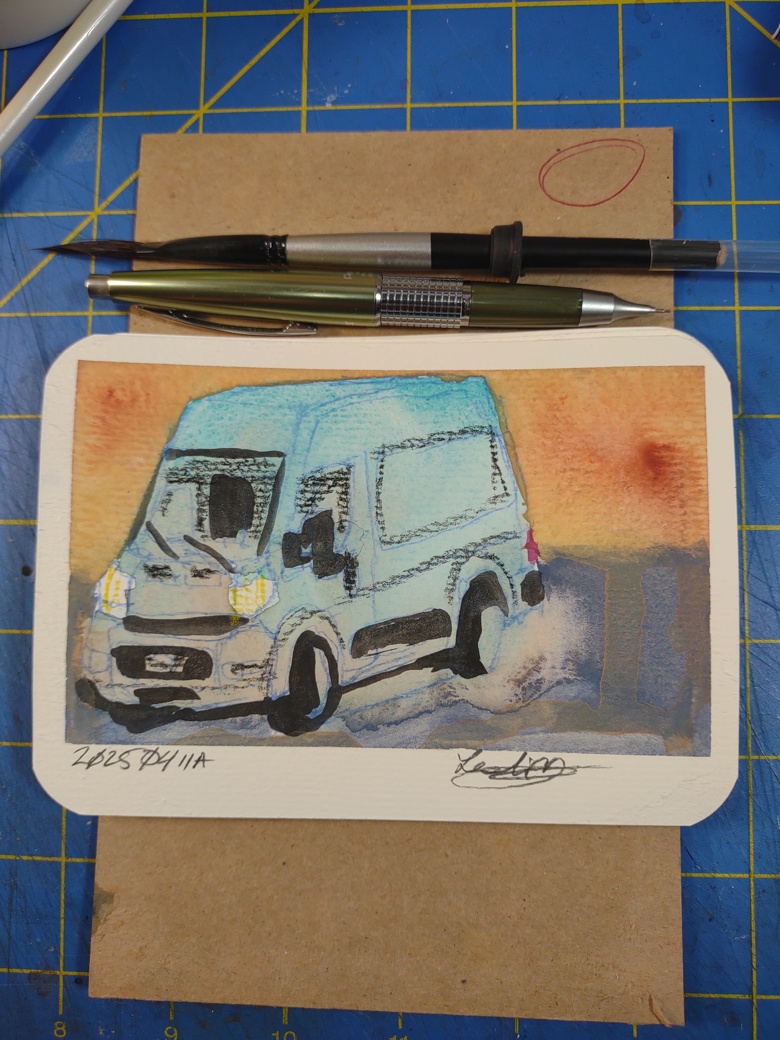
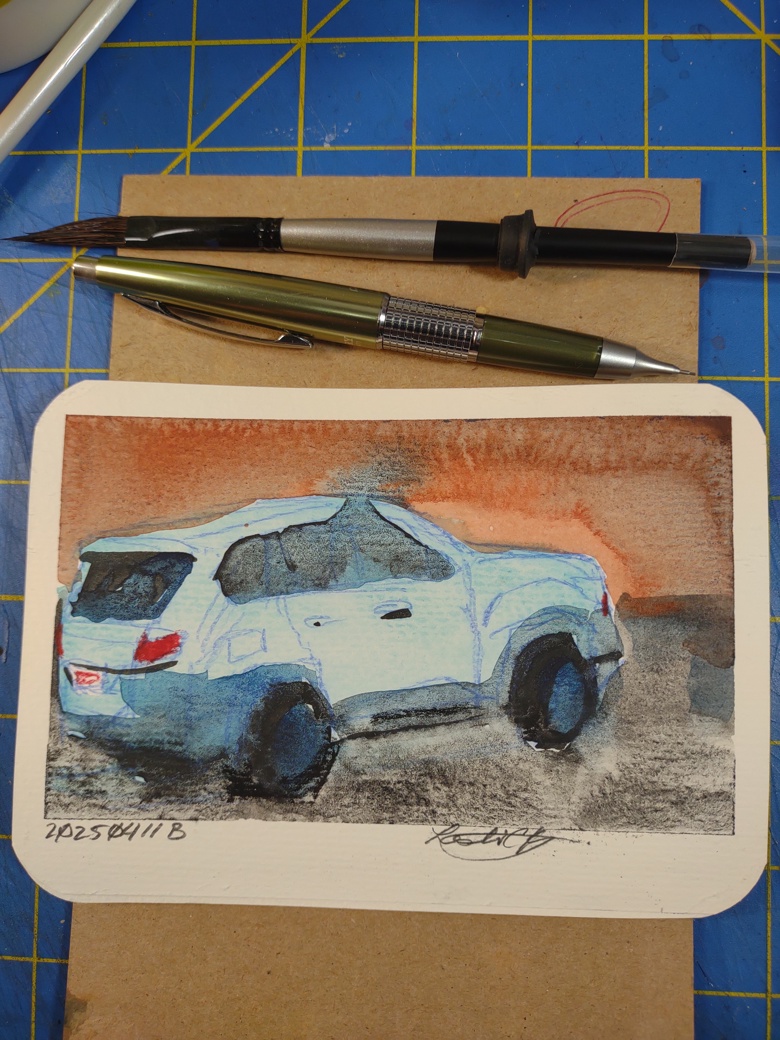
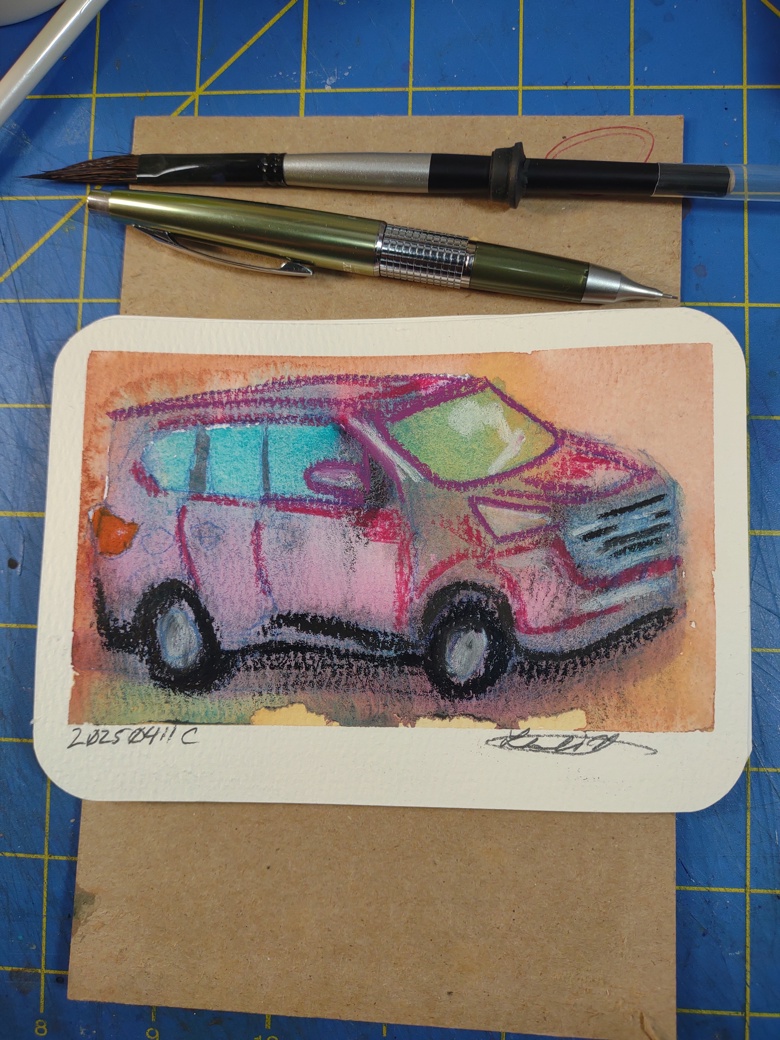
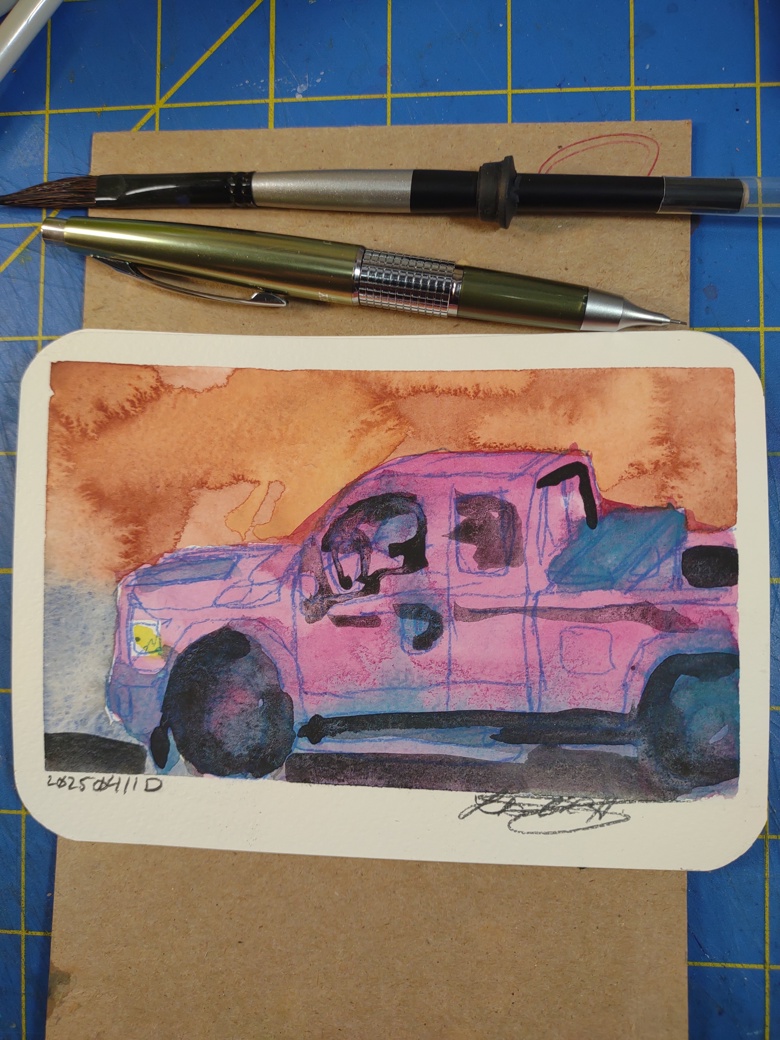
About a month ago I wrote about the results of my values journaling session being that I REALLY want to focus on my making my own art and building an art making practice and being an Artist, capital A.
I had a convo not long after I finished my values journaling and arrived at this conclusion where I made the statement, “I really just want to be an Artist. I want to make art and sell art.”
I know it’s possible to be an Artist (capital A). More than a few of my undergrad classmates and friends I’ve made along the way, are in fact Artists (capital A).
Some have supportive spouses that make good money. Some have made wise choices for themselves. Others have begun their art career later in life. They’ve all made a choice at some point to just be an Artist with a capital A.
I know that many of my friends actually make “a living” as Artists. Some of them make Fine Art, some are illustrators, some do a combination of Fine Art and Illustration and teaching. But they all consider themselves Artists (capital A.)
Until I was older, I was always told that being an artist was not possible. I believed this, despite looking at my various art teachers, who were Artists (capital A) and various people in and around me who made art on the regular. I was told that art wasn’t a real career and that I’d struggle my whole life.
Among many other things.
What a load of horse shit. 
Life is full of struggles. I wonder if I had been encouraged to be an artist if I’d have been happier or struggled more. I look back to that summer where I PAID MY BILLS by making and selling art and I wonder if I had taken that as a clue that with hard work and effort that I could in fact make a living by making art.
Was it easy work? No.
That summer was many early days and long nights of hiking, painting, drawing, photographing and learning how to do this online thing- I learned HTML to do those early eBay postings. I learned how to take photos for online sales. I package my orders and shipped them out. It was a LOT of work.
But I loved every minute of it.
As the kids I mentor and work with tip toe towards graduation, I think about advice I wish I had gotten, support I wish I had gotten. I strive to be a better mentor than I had. I pass along opportunities to the young people I mentor now. I lift up instead of tear down.
Advice I have for young artists just starting out:
Live somewhere affordable. Look for cheap rent, get a roommate. Don’t be pulled into the allure of a high priced city. Build your sales in the low rent place and then move somewhere more expensive later.
Work full time on art. Work part time if possible. If not possible to work part time, work full time in something related to art or creativity. You’ll be tired, but creativity is a muscle that needs stretching. The more you are creative, the more creativity you have. Avoid retail, unless you feel like you need to work on your customer service skills. Retail will kill your creativity (if you are an introvert.) I also think everyone should work retail at some point in their life. Work in some service industry but don’t get trapped in it, unless it works for you and your creativity.
Make art as often as possible. Always carry a sketchbook. Draw and paint whenever you get a chance. Don’t worry about being the weirdo in the meeting with a sketchbook. Be the weirdo. Draw in meetings, but pay attention, don’t draw if you can’t also pay attention. Take notes along with your drawings.
Start now. I ignored advice from a professor who told me in my second year of college that I should be working toward a show already. His advice was that I should be looking to show my art in coffee shops and small galleries NOW. It goes back to that adage about planting trees, the best time was to plant it 20 years ago, the second best time is now.
Make art and share it. Making art and sharing it is scary. The first time I shared a picture of my art it scared me. It still scares me. I lived through internet trolls and college critiques. It all sucked. But generally, when I have shared my art with other people the reception has been wonderful. People are generally kind and supportive. Share it with friends in real life. Post it to whatever social media you use. Block haters and trolls.
Ask for help. Ask for guidance. Reach out to that professor you liked, or that teacher that you looked up to. Ask them for guidance. Develop a relationship. (Bring them a coffee or tea. Or ask them to meet you for coffee/tea.) Ask them what they think about how to make a career in art. I promise you most creative people you know will help and support you. If they can’t they might put you in contact with someone who can help or guide you.
Thinking of this advice, I am starting now on a body of work, and I know of a gallery that is doing week long pop ups for a low price. I’m going to set aside some money to have a show. You’ll all get an invite.